
India’s legendary Golden Triangle is more than a journey, it’s a cultural epiphany. Covering the ancient cities of Delhi, Agra, and Jaipur, the Golden Triangle Tour in India gives visitors an immersive experience of centuries of royal legacy, architectural splendor, and rich local culture. Among the gems that glitter on this path, the Taj Mahal in Agra is the crowning glory, touching hearts and minds from across the globe.
This post discusses why the Taj Mahal is the greatest highlight — the crown jewel of the Golden Triangle India tour package.
What is the Golden Triangle Tour India All About?
Golden Triangle Tour India creates a triangular circuit on the map that joins three of North India’s most culturally affluent cities: Delhi, Agra, and Jaipur. This tour presents a smooth mixture of Mughal, Rajput, and colonial heritage that makes it one of the most popular itineraries for those who wish to see the soul of India within a short duration.
Delhi strikes with its contrasts of old forts and new urban sprawl.
Agra, with the Taj Mahal, resounds with the love poetry of the Mughal Empire.
Jaipur, the Pink City, overflows with imperial glamour with its palaces and brightly colored bazaars.
Tourists choosing a Golden Triangle India Tour Package generally prefer this trip to be the most ideal introduction to India’s rich heritage as it includes more than one era, architectural types, and cultural nuances within a reasonable period, generally 5 to 8 days.
The Taj Mahal: A Love Story in Marble
 ]
]
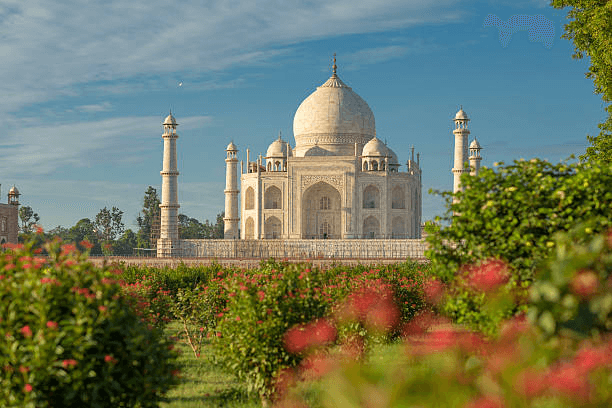
At the center of this triangle is Agra, and in Agra stands India’s most famous edifice — the Taj Mahal. Conceived in the 17th century by Mughal Emperor Shah Jahan in tribute to his favorite wife Mumtaz Mahal, the Taj Mahal is not just a monument; it’s a tribute to timeless love.
Built from flawless white marble, the Taj Mahal blends Islamic, Persian, and Indian architectural influences, with its symmetrical design, floral designs, and its dome appearing as if it were floating in mid-air. The four minarets, verdant gardens, and mirror-finish reflecting pool all serve to create an atmosphere of serenity and majesty.
When travelers embark on a Golden Triangle Tour of India, they often anticipate the Taj Mahal the most — and rightly so. Whether it’s your first visit or a return journey, the sight of the Taj Mahal at sunrise, bathed in golden light, is an unforgettable experience.
Why Taj Mahal is the Highlight of the Golden Triangle
Though Delhi and Jaipur have great places like the Red Fort, India Gate, Qutub Minar, Hawa Mahal, and the Amber Fort, none of them come close to the emotional and visual appeal of the Taj Mahal. Here’s why it still stands out:
Symbol of Love and Legacy: The history behind the Taj Mahal gives it an enduring charm. No other monument in the Golden Triangle India Tour Package has so much romantic and poetic symbolism.
Architectural Perfection: Its perfect symmetry, subtle inlays of semi-precious stones, and play of light on its marble surface during the day enthrall visitors and photographers.
Global Icon: Listed as a UNESCO World Heritage Site and one of the New Seven Wonders of the World, the Taj Mahal adds distinction to any tour itinerary that it is a part of.
Emotional Resonance: For some, it is not mere sightseeing when they visit the Taj Mahal — it’s an emotional and spiritual experience, giving meaning to the Golden Triangle Tour of India.
Seeing the Taj Mahal on Your Golden Triangle Tour
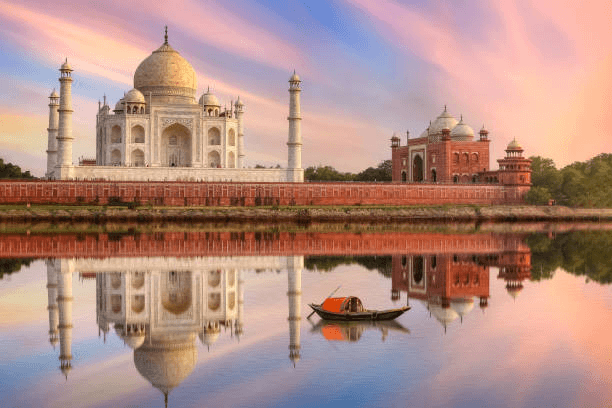
A visit to the Taj Mahal is more than checking off a bucket list; it’s about immersing oneself in an environment that combines serenity, beauty, and reverence. The majority of Golden Triangle India Tour Packages make sure that visitors reach the monument early — usually at sunrise — to see its otherworldly transformation under gentle morning light.
Pro travel tips:
- Bring comfortable shoes, as there’s a lot of walking involved.
- Take a licensed local guide to learn the fine details and secret tales.
- Don’t miss Mehtab Bagh on the other side of the Yamuna River for a captivating back view of the Taj Mahal, particularly at sunset.
If you’re reserving a Golden Triangle Tour India during winter (October to March), you’re in for comfortable weather and clearer skies, which will make your experience even better. During the monsoon or summer season, the marble gets hot, and visibility is hampered by humidity.
Wonders in Agra You Can’t Miss
While the Taj Mahal is the main attraction, Agra has other interesting places that make your visit richer:
Agra Fort: A World Heritage Site, this red sandstone fort was the imperial residence of the emperors of the Mughal Dynasty until 1638.
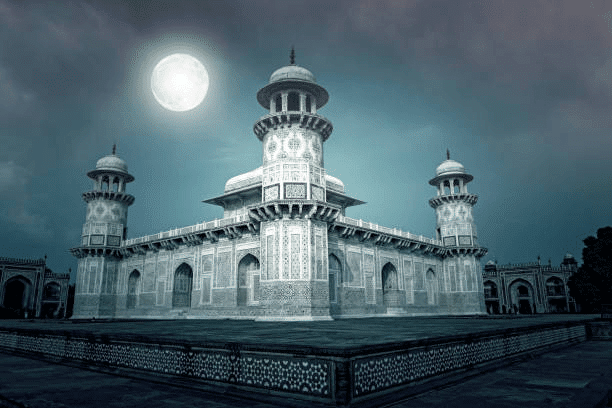
Itmad-ud-Daulah’s Tomb: Commonly called the “Baby Taj,” this mausoleum was constructed before the Taj Mahal and is regarded as a template for its design.
Fatehpur Sikri: Only a short drive from Agra, this abandoned Mughal city features imposing gateways, palaces, and mosques.
These halts are usually packaged as long Golden Triangle India Tour Packages so that the travelers can get deeper into the Mughal heritage.
Incorporating the Taj Mahal in Your Perfect Golden Triangle Itinerary
If you’re a first-time traveler or an experienced explorer, it’s crucial to create the right itinerary. Most tourists want a 6 to 8-day tour with the following time allocation:
2 days in Delhi
2 days in Agra
2-3 days in Jaipur
Agra, its crown jewel, the Taj Mahal, is transformed into the emotional heart of this trip.
The Golden Triangle India Tour Packages of luxury and private vacations can involve five-star hotel stays overlooking the monument, customized photo shoots, candlelit dinners along the banks of the Yamuna River, or even yoga in the morning with the Taj Mahal visible from afar.
Final Thoughts: The Crown Jewel Indeed
In a journey that covers grand forts, vibrant bazaars, royal palaces, and centuries of history, it is the Taj Mahal that makes the deepest impression upon the soul. It captures the beauty, feeling, and eternality that reflect India at its best.
No Golden Triangle Tour of India, can ever be completed without savoring the serene grandeur of the Taj Mahal. It’s more than a place, it’s a dream cut in marble — one that remains to enthrall millions of people from across the world.
So whether you’re choosing a luxury escape or a cultural expedition, ensure your Golden Triangle Tour of India puts the Taj Mahal at its heart. Because in the story of India, the Taj Mahal is not just a monument — it’s a masterpiece.
FAQs
- What is a heritage hotel?
A heritage hotel is generally an old palace, haveli (mansion), or royal house that has been restored and converted into a hotel without changing its original look and royal atmosphere. These hotels provide tourists with the luxury and culture of Jaipur’s royal era.
- Why would I choose to stay in a heritage hotel when I might have stayed in a brand new hotel in Jaipur?
Stay in a heritage hotel for the cultural experience. You will experience historic buildings, royal interiors, traditional Rajasthani warmth, and typically live performances or escorted heritage walks—things newer hotels cannot provide.
- Are heritage hotels in Jaipur appropriate for families?
Yes. Most heritage hotels, even the mid-range ones such as Umaid Mahal and Mandawa Haveli, are suitable for families and provide larger rooms, gardens, pools, and activities that both children and adults can enjoy.
- Are Jaipur heritage hotels equipped with modern facilities?
Yes. They might have an old look within and outside, but most of them possess all modern facilities like Wi-Fi, AC, in-room bathroom, in-room services, swimming pools, and a gourmet restaurant.
- Are heritage hotels in Jaipur cheaper?
Yes. There are also a few 3-star heritage hotels in Jaipur, which are fashionable and budget-friendly. Hotel Arya Niwas, Khandela Haveli, and Hotel Meghniwas are some of the budget-friendly options to live the heritage without spending a fortune.